
Executive Summary
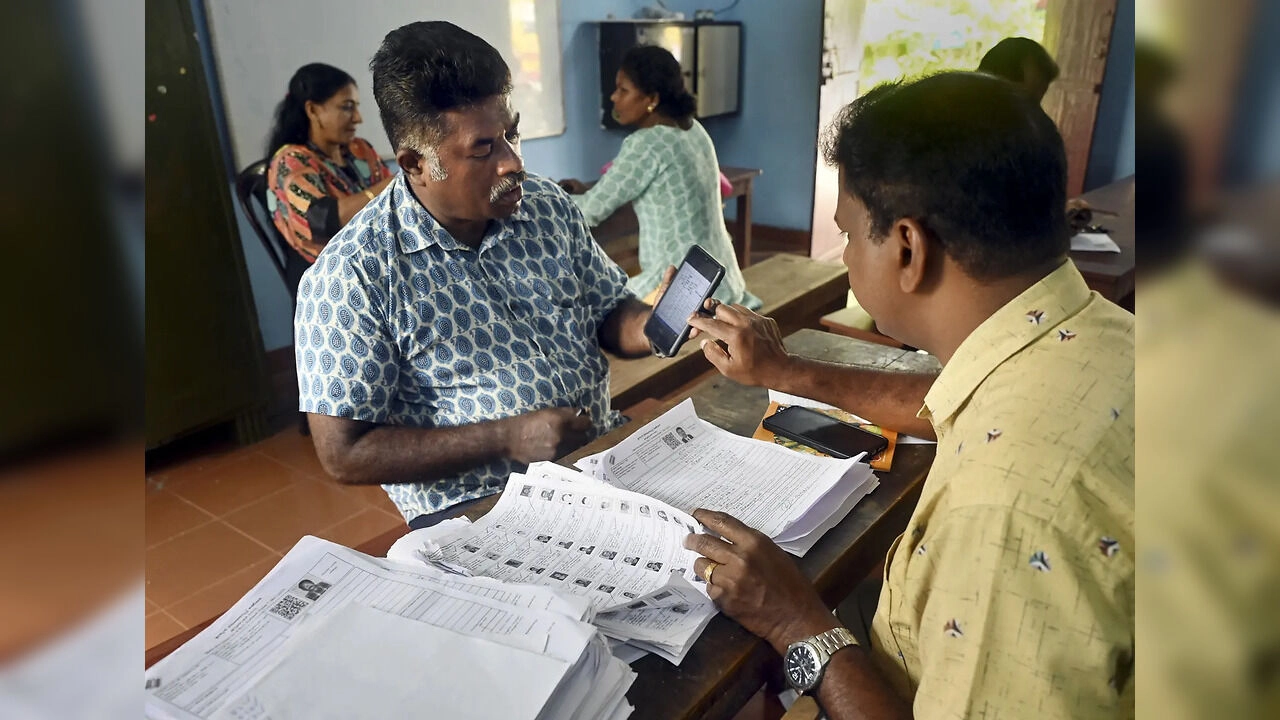
The integrity of electoral processes in India is under intense scrutiny following a controversial ruling by the Supreme Court upholding the validity of the Election Commission's Special Intensive Revision (SIR) of electoral rolls. Former Supreme Court Justice V. Gopala Gowda has publicly denounced this ruling, describing it as both unconstitutional and undemocratic. His assertions come amid growing concerns regarding the transparency and credibility of electoral practices in the country, particularly as they relate to the ongoing revision of voter lists. This article explores the implications of Gowda's remarks and the broader legal context surrounding the SIR process.
Why does this matter?
The Supreme Court's endorsement of the SIR process has significant ramifications for the electoral landscape in India. The SIR allows for expedited revisions of electoral rolls, which are crucial for maintaining updated and accurate voter lists. However, critics argue that the SIR could undermine the democratic process by allowing for rushed changes that may not adequately reflect the electorate's changing demographics. Gowda's call for a recall of the ruling adds a layer of urgency to these concerns, as it highlights the potential for judicial overreach in electoral matters.
What is the legal precedent?
The Supreme Court's decision to uphold the SIR process relies on a series of previous rulings affirming the Election Commission's authority to revise electoral rolls. Historically, the judiciary has maintained a hands-off approach regarding electoral management, emphasizing the independence of the Election Commission as a constitutional body. However, Gowda's criticism challenges this precedent, asserting that the court's recent ruling fails to adhere to principles of democratic governance and constitutional law. His argument suggests that judicial oversight should extend to ensuring electoral processes are not only efficient but also fair and transparent.
What are the implications for the Election Commission?
The Election Commission of India (ECI) is mandated by the Constitution to conduct free and fair elections, a task that includes the maintenance of accurate electoral rolls. The SIR process was introduced to facilitate this mandate, particularly in light of evolving demographic data and the need for timely updates. However, Gowda's assertions that the SIR lacks constitutional grounding pose a significant challenge to the ECI’s operational framework. If upheld, such criticisms could lead to increased scrutiny of the Commission's actions and potentially result in a reassessment of its powers and responsibilities.
What do critics say about the SIR process?
Critics of the SIR have raised multiple concerns regarding its implementation and efficacy. Key arguments include:
- Lack of Transparency: Opponents argue that the SIR process lacks adequate public engagement and transparency, leading to fears that changes to electoral rolls may not be subject to rigorous scrutiny.
- Pace of Implementation: The expedited nature of the SIR has been criticized for potentially overlooking significant demographic shifts and failing to account for disenfranchisement of certain voter groups.
- Judicial Intervention: There are concerns that the Supreme Court’s endorsement of the SIR may signal an unwillingness to challenge the ECI's decisions, which could set a dangerous precedent for electoral accountability.
What is the public response?
The public reaction to the Supreme Court's ruling and Gowda's subsequent comments has been polarizing. On one hand, many citizens and political pundits support the need for updated electoral rolls to reflect current demographics. On the other hand, there is a palpable unease regarding the implications of such rapid changes, particularly among marginalized communities that may be disproportionately affected by roll revisions.
What is the path forward?
As the debate surrounding the SIR intensifies, stakeholders from various sectors—including civil society, legal experts, and political leaders—are calling for a more transparent and inclusive process for electoral roll revision. Gowda’s remarks, coupled with the opposition's persistent questioning of the SIR, suggest that a reevaluation of the process may be necessary to restore public confidence in the electoral system.
Conclusion
The ongoing controversy surrounding the Supreme Court's validation of the SIR underscores a critical need for transparency and accountability in electoral processes. The implications of this ruling will likely resonate throughout India's democratic framework, necessitating a careful examination of the balance between efficiency and fairness in electoral administration.
As this dialogue unfolds, the judiciary, the Election Commission, and the public must navigate these complex issues to uphold the integrity of India's democratic institutions.
No comments yet. Be the first to share your thoughts!