
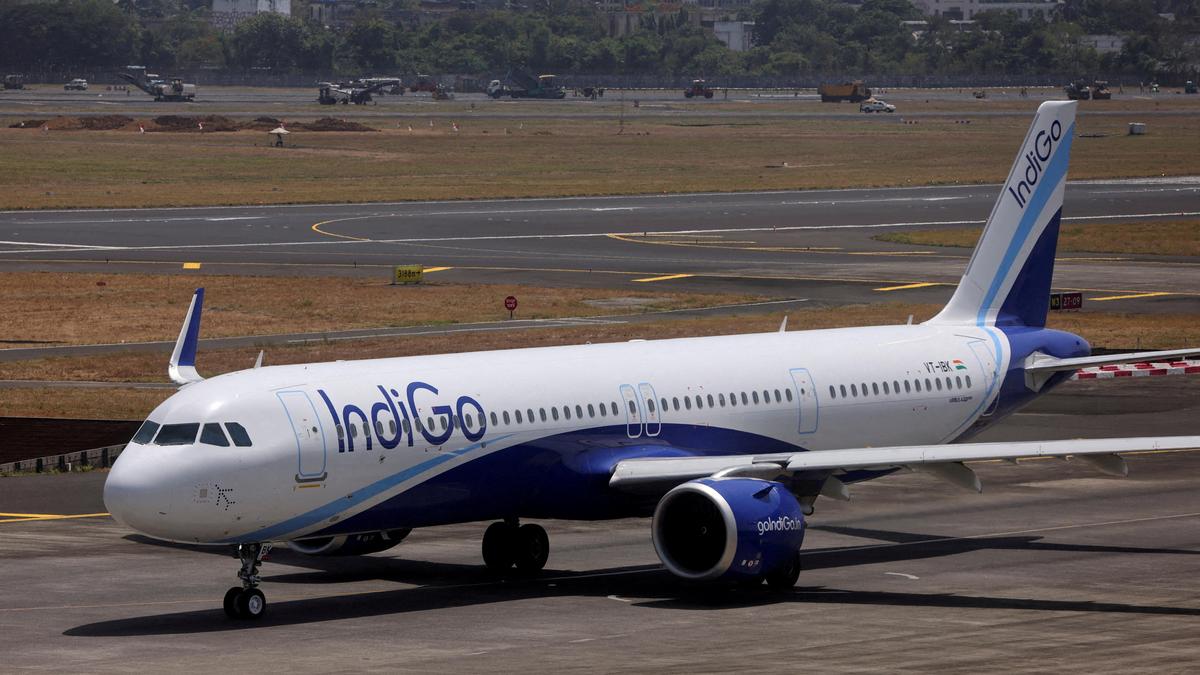
IndiGo Cancels 62 Flights at Bengaluru — What’s Happening
On Wednesday, Bengaluru’s Kempegowda International Airport (KIA) saw a major disruption in domestic air travel as IndiGo cancelled 62 flights — 31 arrivals and 31 departures — all of them domestic connections. According to airport and airline–tracking data, this was not a one-off glitch: the cancellations come on the heels of similar disruptions the previous day, signalling a deeper operational crisis rather than a random scheduling hiccup. (Deccan Herald)
Indeed, over the two-day span, hundreds of IndiGo flights were either cancelled or substantially delayed. One media report puts the total number of flights disrupted at Bengaluru alone across that period at 136. (The Indian Express) In light of this, many passengers have been left stranded, unsure whether their flights will depart as scheduled, and scrambling for alternative arrangements.
This slump marks one of the worst service disruptions in recent memory for India’s largest domestic carrier — a serious blow to its reputation for reliability.
Why Are So Many Flights Being Cancelled? — The Root Causes
Multiple, compounding factors appear to be at play — together creating what analysts are calling a “perfect storm” of disruptions. Below are the main reasons cited by the airline, airports, regulators, and other aviation-industry observers:
Crew Shortage & New Rostering Norms
Perhaps the single biggest reason behind the cancellations is a severe crew shortage, triggered by the introduction of updated pilot-duty rules by the regulator. The new laws — the Flight Duty Time Limitations (FDTL) — mandate longer rest periods and stricter restrictions on pilot/crew duty hours. (Hindustan Times)
According to one airport source at Bengaluru, many flights scheduled for Wednesday simply did not take off because pilots or crew “did not show up” under the new roster system. (The New Indian Express)
What complicates matters is that the new rules were announced some time ago, giving carriers time to adapt — yet IndiGo still appears to have been caught unprepared. A senior representative of a pilots’ union reportedly said there was “a total lack of planning” and that IndiGo lacked even standby crews, which are mandatory under regulatory norms. (Moneycontrol)
Technical & Operational Challenges
Beyond crew shortage, the airline and airport authorities have also pointed to technical glitches, airport congestion, and seasonal/winter-time scheduling issues as contributory factors. (Hindustan Times)
Together, these issues have created a cascading effect — when one flight is delayed or cancelled, it disrupts the aircraft’s subsequent schedule, crew rosters, and airport slot usage, compounding delays and cancellations across the network. (The Indian Express)
Systemic Overload + Winter Traffic Surge
Another dimension is the perennial problem of high seasonal demand, especially during the winter travel season when many people travel for holidays or festivals. With limited buffer capacity and now tighter crew-duty restrictions, the system appears overloaded. Some experts argue that IndiGo’s aggressive growth strategy, expansion of routes, and high flight frequency, while profitable under normal circumstances, left little margin for disruptions. This means any sort of glitch — crew unavailability, tech issue, or weather/timing — gets magnified.
In effect, the new regulations intended to improve safety (by preventing pilot fatigue) clash with the airline’s high-frequency, thin-margin operational model, causing instability.
The Fallout: Passengers, Airports, and IndiGo’s Reputation
Passenger Chaos — Stranded Flyers, Refunds, Fare Surge
For travellers caught in the wave of cancellations, the experience has been chaotic. At Bengaluru’s KIA, terminals were reportedly overcrowded as hundreds of stranded passengers waited for alternate flights or refunds. Many had to spend the night at the airport; seating ran out quickly, and elderly passengers or those with children reportedly suffered the most. (Moneycontrol)
Prices on alternate flights soared as demand spiked. On some routes, fares reportedly increased 4- to 10-fold above normal — as desperate travellers scrambled to rebook. (Moneycontrol)
There are also scattered reports and complaints from passengers about poor communication from IndiGo — last-minute cancellations, lack of clarity about refunds, confusing rebooking procedures — which intensified frustration. (The Indian Express)
Operational & Regulatory Fallout
For the aviation ecosystem, these disruptions expose serious weaknesses in how airlines manage crew rostering, plan for regulatory changes, and cope with periods of stress such as peak season.
The airline itself appears to have acknowledged the scope of the crisis: in its statements, IndiGo admitted that operations have been “significantly disrupted across the network for the past two days.” It said multiple “unforeseen operational challenges” — from technical to scheduling issues, winter-season workload, weather-related disruptions, and the implementation of new rostering rules — combined to create a problem too complex to predict. (The Indian Express)
As a remedial step, IndiGo has reportedly begun recalibrating its flight schedules and offering refunds or alternate flights where possible. (The Indian Express)
A Blow to Trust — But Also a Wake-Up Call for Aviation Sector
For domestic aviation customers in India, particularly frequent flyers on IndiGo, the collapse of reliability may shake confidence in the airline. IndiGo has long been known for its widespread network and frequent domestic flights — such disruptions tarnish that identity.
At the same time, the situation raises broader questions about how airlines balance safety regulations (like newer crew rest rules) with economic pressures and operational efficiency. The clash between regulatory compliance and cost-effectiveness appears to be at the heart of the disruption.
If such cancellation waves become recurring rather than one-off events, it could spur scrutiny from regulators, industry watchdogs, and consumer-rights groups.
What Might Happen Next — For IndiGo, Passengers, and Airports
Based on how things have unfolded and the steps taken so far, here is what we might expect in the coming days or weeks:
- Gradual Stabilization, but Under Tight Conditions — IndiGo is likely working to rework its flight schedules to align with the new crew-rest norms, possibly reducing daily frequencies, rerouting flights, or increasing buffer time between flights. Over time, this may restore some stability, though perhaps at a reduced frequency or increased fares.
- Alternate Plans & Refunds for Passengers — For those whose flights were cancelled, IndiGo is offering alternate flights or refunds. Passengers may need to check their booking status carefully, reach out to customer service, and confirm alternate arrangements if travelling soon.
- Regulatory and Industry Response — The crisis may force other airlines (even those not currently affected) to re-examine their crew-rostering policies, worst-case contingency planning, stand-by crew reserves, and operational flexibility. Regulators may also demand more robust compliance plans before implementing new norms.
- Market & Customer Behavior Shift — Some frequent flyers might opt for alternate airlines (or even different modes of transport) to avoid such unpredictability. This shift in demand could influence domestic aviation dynamics — affecting ticket pricing, airline competition, and frequency of flights on certain routes.
- Public Relations & Reputation Repair for IndiGo — To restore customer trust, IndiGo will likely need to engage in robust communication, transparency about why disruptions happened, and perhaps compensate affected passengers fairly (refunds, rebooking, fee waivers). Continued disruptions without visible fixes may damage its brand over time.
What This Means for You (and Other Travellers)
If you — or someone you know — were planning to fly via IndiGo in the next few days (especially from/to Bengaluru), here’s what you should keep in mind:
- Check flight status closely — Before heading to the airport, reconfirm your flight status on the official IndiGo website or app. Cancellations or changes may happen even at short notice.
- Allow extra buffer time — Given the uncertainty, if your travel is time-sensitive (meetings, onward connections, tight schedules), try to build in extra time or consider alternate modes of transport if possible.
- Be prepared for fare hikes — If you need to rebook at the last minute, be ready for sharply higher ticket prices.
- Keep documentation and bills for refunds/claims — If eligible for refund or compensation, make sure you have proper ticket copy, booking ID, cancellation notice — these will help with claims or customer-service requests.
- Explore alternate airlines or routes — If possible, consider booking with a different airline or a different airport to avoid being caught in repeat cancellations.
Bigger Picture: What This Episode Says About India’s Aviation Challenges
This episode of mass cancellations at Bengaluru airport by IndiGo reflects a broader tension in India’s rapidly expanding aviation sector. On one hand, domestic air travel demand has surged in recent years — more routes, more passengers, more frequency. On the other hand, regulatory efforts to improve safety (rest rules, fatigue prevention) and the inherent constraints of crew availability, aircraft maintenance, airport congestion, and seasonal demand peaks make it extremely difficult to maintain a high-frequency network without robust contingency planning.
In that sense, the current crisis is not just a failure of one airline — it’s a symptom of structural stress in the system. It highlights the delicate balancing act between safety, capacity, profitability, and customer service.
If handled well — via measured schedule adjustments, capacity-management, better contingency planning, and transparent communication — this can be a painful but useful reset for the aviation industry in India. If not, repeated disruptions could erode public trust in air travel as a reliable mode of transport.
If you like — I can also write a shorter, 150-200 word summary of this (for quick social-media style sharing / easy read).